簡体中文
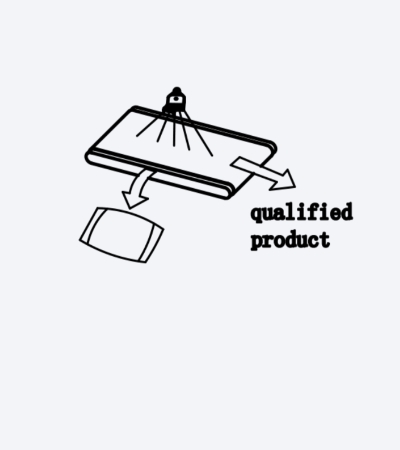
X 光检测设备的核心由辐射源、探测器和控制系统组成:
步骤一
X 操源: 安装于检测腔内部,向下发射 X光束。
步骤二
X 光束:穿过包装物和输送带。不同材料因密度和原子质量不同,对射线能量的吸收程度各异。
步骤三
探测器: 捕获剩余的 X 光能量,并将其转换为电信号。
步骤四
控制系统: 对信号进行处理并生成图像,通过分析图像识别异物、缺陷或封口问题。
由于食品本身通常由低密度、低原子质量的元素构成,而金属、玻璃、骨头等异物具有较高的密度和原子质量,这种差异使异物能够在 X 光图像中被精确识别,从而成为一种高效可靠的检测方式。

与传统金属检测机相比,X 光检测设备具备更全面、更灵活的检测能力:
Integrating X-ray scanners establishes highly effective Critical Control Points (CCPs) within your HACCP plan. It mitigates the risk of physical contamination, ensuring regulatory compliance and consumer safety.
Absolutely. The radiation used for food inspection is extremely low and does not affect the food's safety, taste, or texture. Our machines feature rigorous safety devices, ensuring X-ray leakage is strictly ≤1µSv/h to protect your operators.
Sensitivity depends on the absorption difference between the product and the contaminant. Key factors include the product's density and thickness, and the atomic mass of the contaminant. Note that product moisture and temperature do not affect X-ray accuracy.